
Made in Türkiye · Large-format additive manufacturing
Industrial 3D printer: high-speed production at 2 m³ scale
With a 2000 × 1000 × 1000 mm build volume and print speeds of up to 1000 mm/s on linear servo-driven X/Y axes, the BPT 2010 produces parts up to two metres long in a single run, without intermediate joining or assembly. Closed-loop position control and a 380 V three-phase industrial infrastructure make it suited to continuous production environments. It is designed, manufactured and technically supported at our facility in Pendik, Istanbul.
Industrial scale
Two cubic metres of build volume, one-piece production.
Producing large components on small-format systems requires splitting the part, bonding the sections and finishing every joint. Each joint carries a risk of dimensional deviation and mechanical weakness.
The BPT 2010 produces geometries up to 2000 mm long as a single body. Assembly and post-processing times are reduced, and the part retains the mechanical integrity it was designed for.
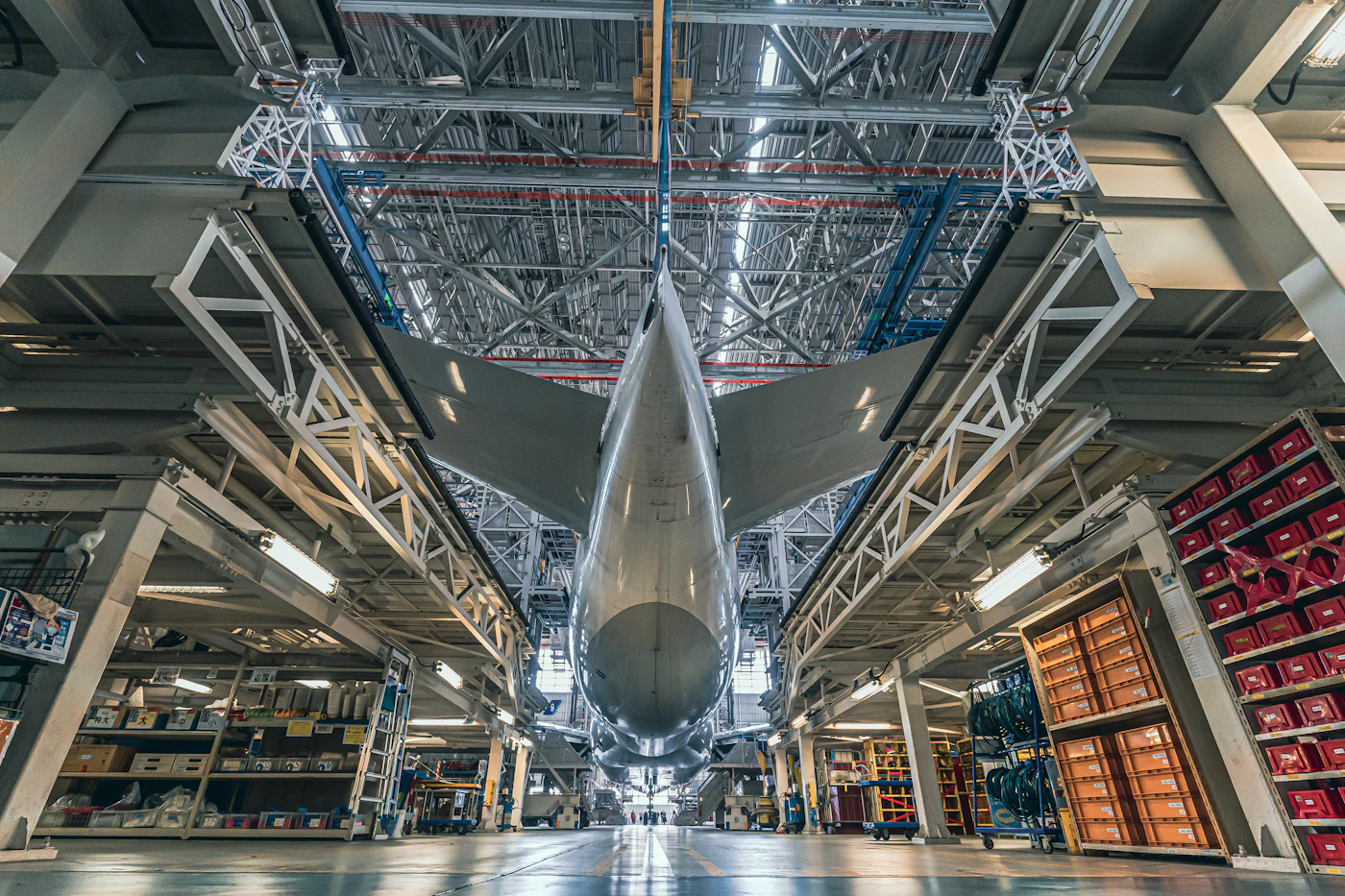
Speed and throughput
High speed at large format: 1000 mm/s printing, 2000 mm/s travel.
Print speed alone does not determine how long a large part takes. On a 2000 × 1000 mm bed, the non-printing travel between positions, the number of layers and material changes all add directly to the total job time. The motion and extrusion systems of the BPT 2010 are configured with each of these factors in mind.
Linear servo-driven X/Y
The X and Y axes are driven by linear servo motors, reaching up to 1000 mm/s while printing. Closed-loop feedback at 1 µm resolution continuously monitors position accuracy at these speeds.
2000 mm/s travel
Non-printing moves between layers and print regions run at up to 2000 mm/s. Across a large bed, the time spent travelling without printing is reduced.
Layers to suit the part
A 0.4 – 1.2 mm nozzle range and 0.2 – 1 mm layer heights let you choose between surface quality and production time for each part. A part 1000 mm tall is completed in 1000 layers at 1 mm, or 5000 layers at 0.2 mm.
Fewer stops
A material capacity of 5 kg per head reduces stops for material changes during long job cycles. Model and support material are printed from separate heads, with no head change. A filament sensor and power-loss recovery reduce the risk of losing a long print.
Actual print speed depends on the material, part geometry and layer settings. The production time of your own part can be verified with a sample print.
Scale
2 m³ build volume: single-body production in the large-scale 3D printer class.
A build volume of 2000 mm (X) × 1000 mm (Y) × 1000 mm (Z) provides 2 m³ of usable manufacturing space in total. This class clearly exceeds the working volumes of desktop and cabinet-type systems and allows medium to large parts to be produced in one piece, without splitting.
- Length (X)
- 2000 mm
- Width (Y)
- 1000 mm
- Height (Z)
- 1000 mm
- Total volume
- 2 m³
BPT 2010
Industrial 3D printer architecture: built for continuous production.
The subsystems of the BPT 2010 were selected for the requirements of an uninterrupted production environment: linear servo-driven motion axes, independent dual extrusion heads, a nozzle reaching 450 °C, a multi-zone heated PEEK-coated bed and a 380 V three-phase industrial supply. This configuration sets the system apart from laboratory-scale prototyping devices and makes it a manufacturing asset that can be integrated into a serial production line.
- 2000 × 1000 × 1000 mm
- 1000 mm/s while printing
- Dual extruder 5 kg × 2
- Nozzle 450 °C · Bed 180 °C
- 380 V three-phase
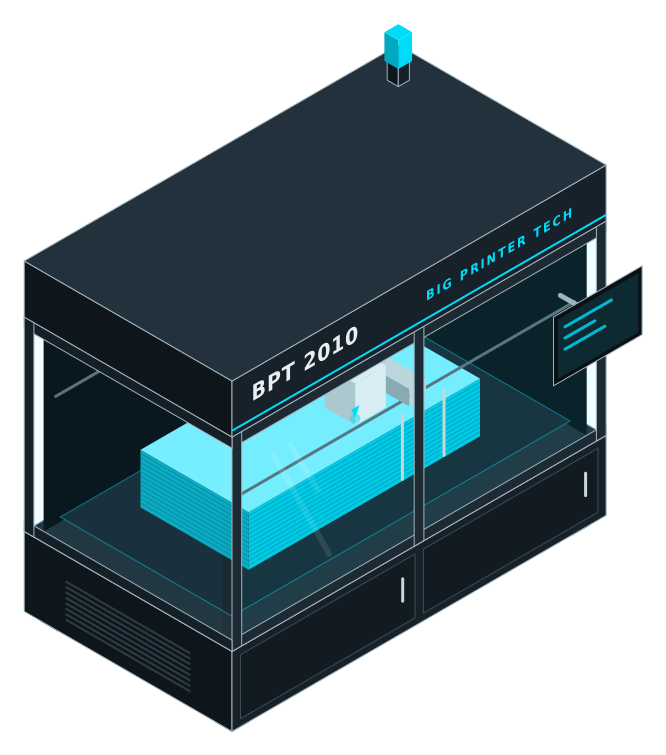
Technology
Dimensional consistency across a large volume.
Every subsystem was selected to maintain dimensional stability and process safety across a wide working area.
-
Independent dual extrusion heads — 2 × 5 kg capacity
The two extruders are driven independently of each other. Model and support material are fed from separate heads within the same job cycle. This arrangement requires no head change during multi-material transitions and preserves process continuity.
-
1 µm positioning resolution — closed-loop feedback
The motion axes are driven with closed-loop position control at 1 µm resolution. This architecture limits cumulative error over long axis travel and preserves dimensional repeatability across a wide working volume.
-
PEEK-coated multi-zone heated bed — up to 180 °C
The bed surface is divided into independently controlled zones. This arrangement minimises the temperature gradient over a large area, stabilises first-layer adhesion and reduces the risk of warping in engineering polymers.
-
Automatic bed calibration — non-contact laser scanning
The bed plane is measured by non-contact laser scanning before every job and calibrated automatically. Operator-induced calibration deviations are eliminated, and first-layer height consistency is guaranteed.
-
21" industrial control interface — role-based access
Role-based authorisation for operator and administrator levels. Live production status, process temperatures and system event logs are monitored in a single interface. Production data is recorded for operational traceability.
-
Dual-channel safety architecture — standard equipment
A dual-channel safety relay, a hardware emergency-stop circuit (E-Stop) and door safety sensors are supplied as standard. Safety components are not optional; they are an integral part of the system architecture.
Selection guide
Choosing a large-format 3D printer: four technical questions.
Part size
Does your largest part fit the working volume as a single body? The BPT 2010 offers 2000 × 1000 × 1000 mm. Parts that must be split carry joints and extra finishing time.
Material
Which polymer does the operating temperature and mechanical load of the part require? The system runs standard materials such as PLA, ABS, ASA, PA and PC, as well as high-performance polymers such as PEEK, PEKK, PPS, PPSU and ULTEM / PEI.
Speed and process stability
How many hours will the large part take, and can temperature and position stability be held throughout? The BPT 2010 prints at up to 1000 mm/s; a heated bed, a controlled chamber and closed-loop position control maintain stability over long job cycles.
Infrastructure and support
Are your electrical supply, floor space and service needs covered? The BPT 2010 runs on 380 V three-phase; its external dimensions are 3500 × 2200 × 2500 mm. Installation, training and service are provided by the manufacturer that builds the system.
Process control
Process stability across long job cycles.
Multi-point temperature sensors, zone heating control and a live process display provide continuous monitoring of chamber and bed temperature. When operator intervention is needed, a deviation is detected before it reaches a critical level and the intervention is made in time. This arrangement helps maintain the process window over multi-hour job cycles.
Industries
Six industries, one build volume.
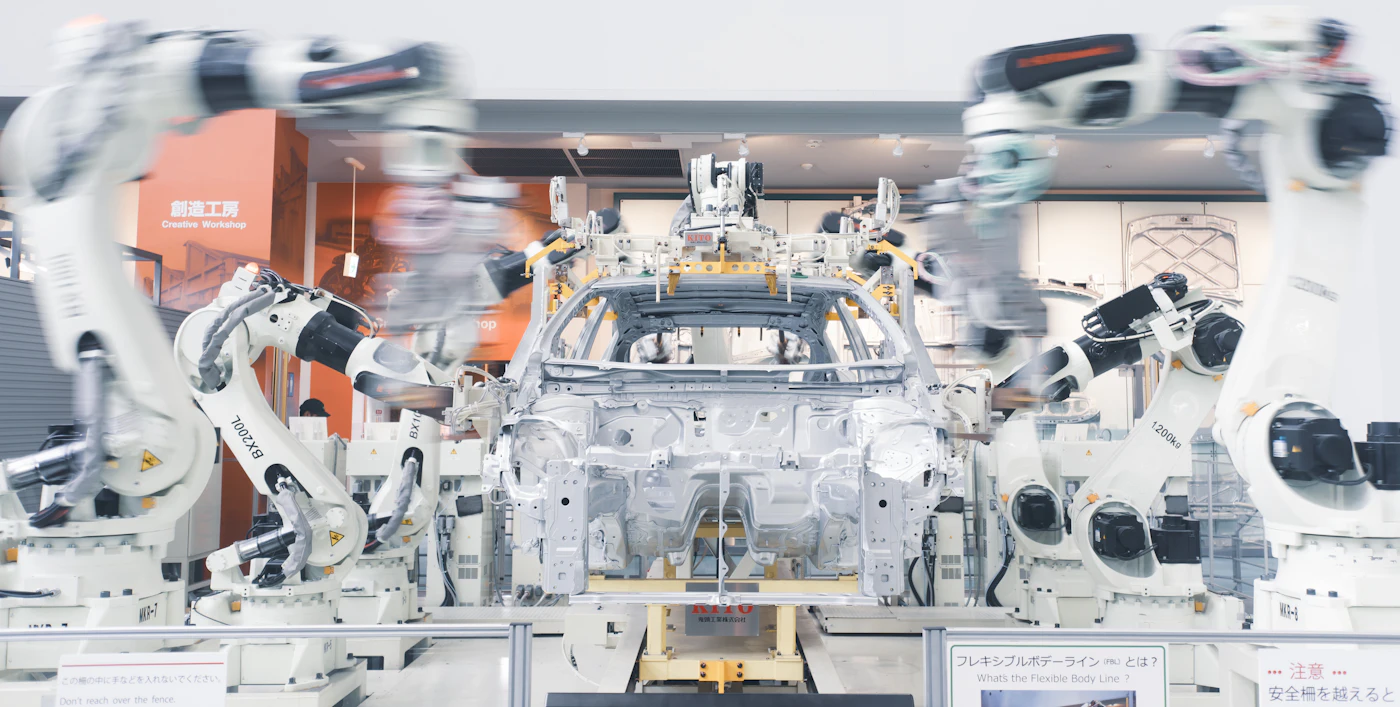
Automotive
Prototypes, fixtures, assembly jigs and functional test parts.
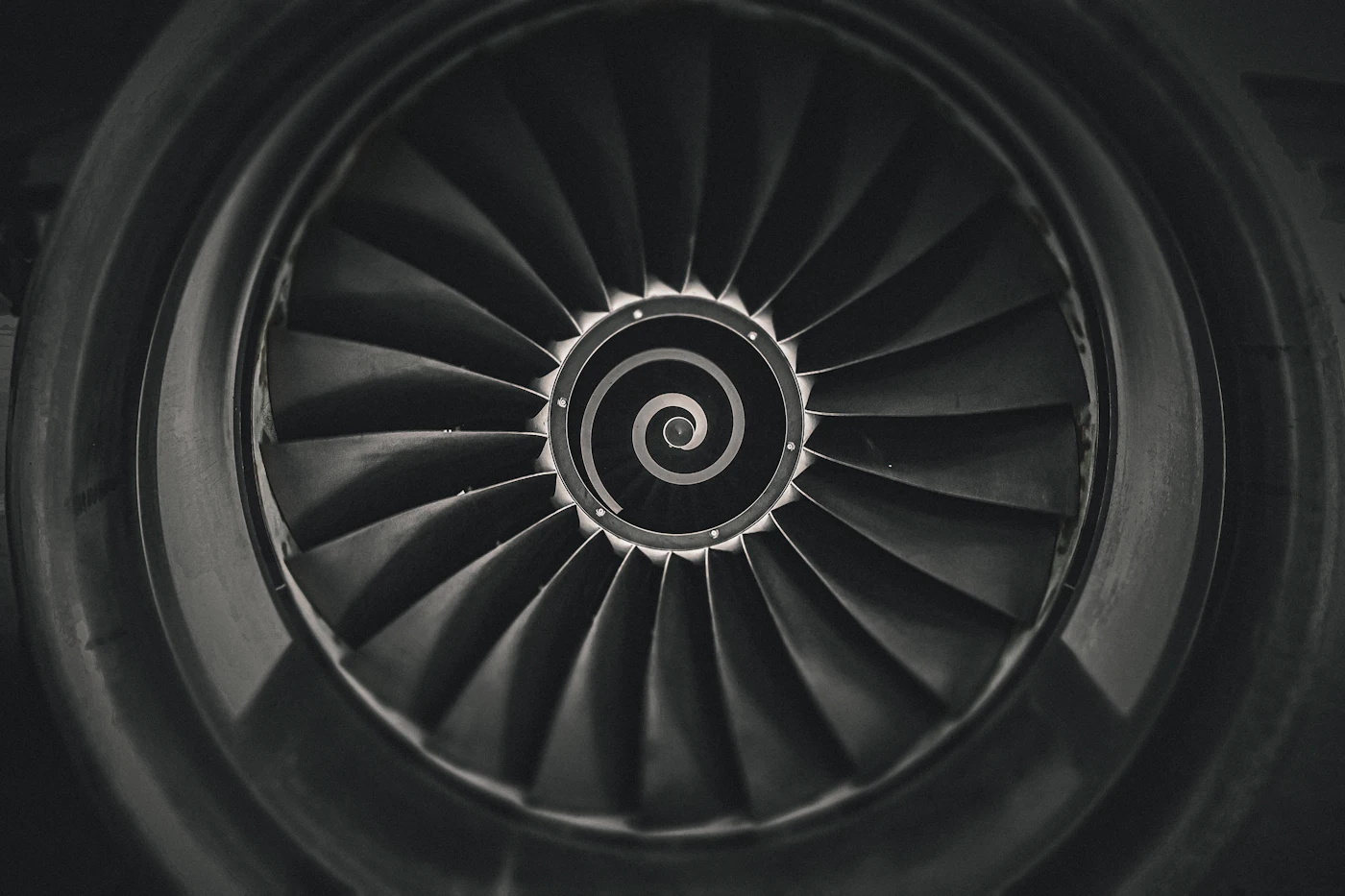
Aerospace and defence
Custom parts in high-performance engineering polymers.
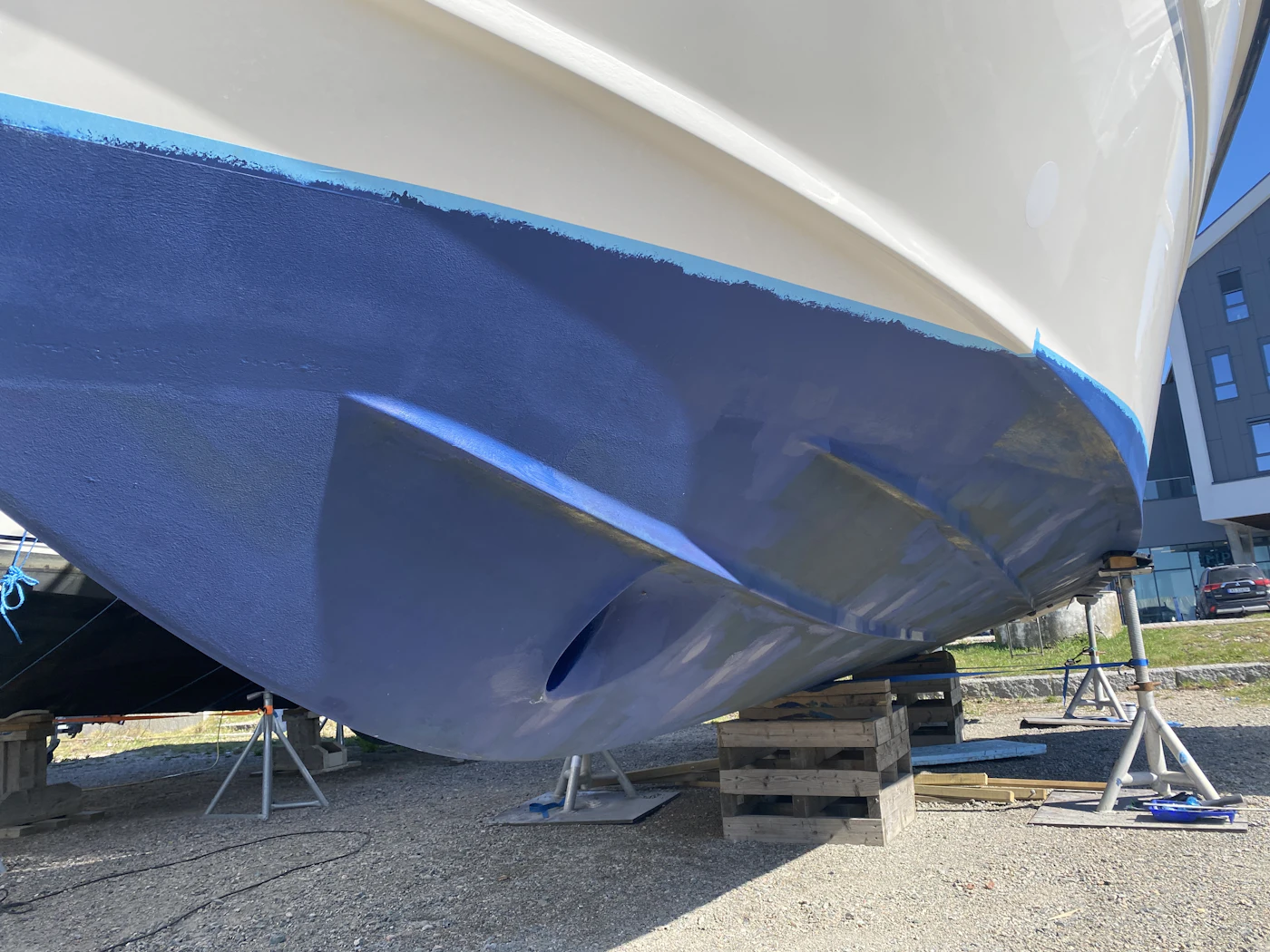
Marine and yachting
Large-scale models, moulds and custom fittings.
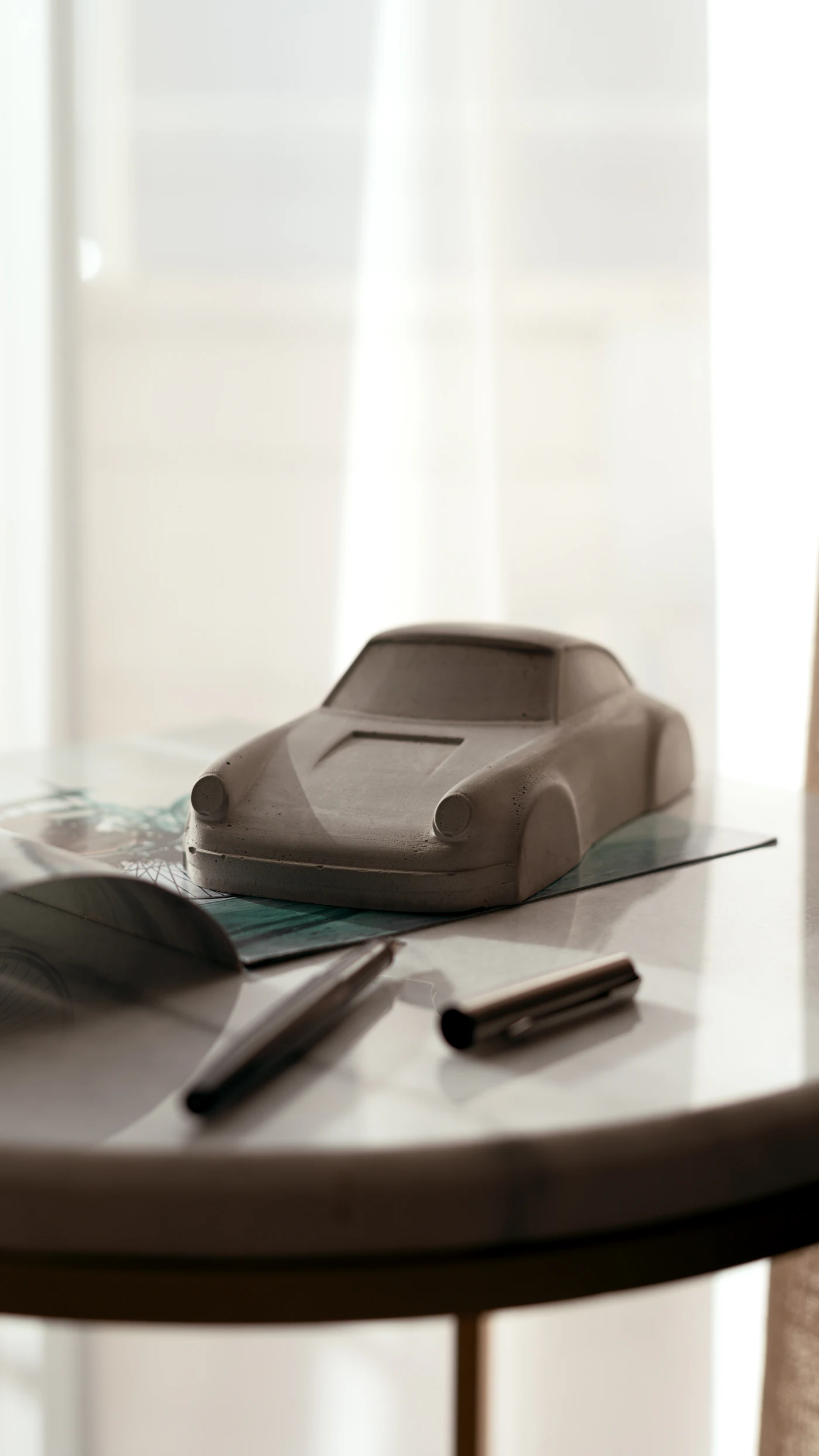
Moulds and patterns
Casting patterns, master parts and thermoforming moulds.
Industrial production
Spare parts, workholding fixtures and machine components.
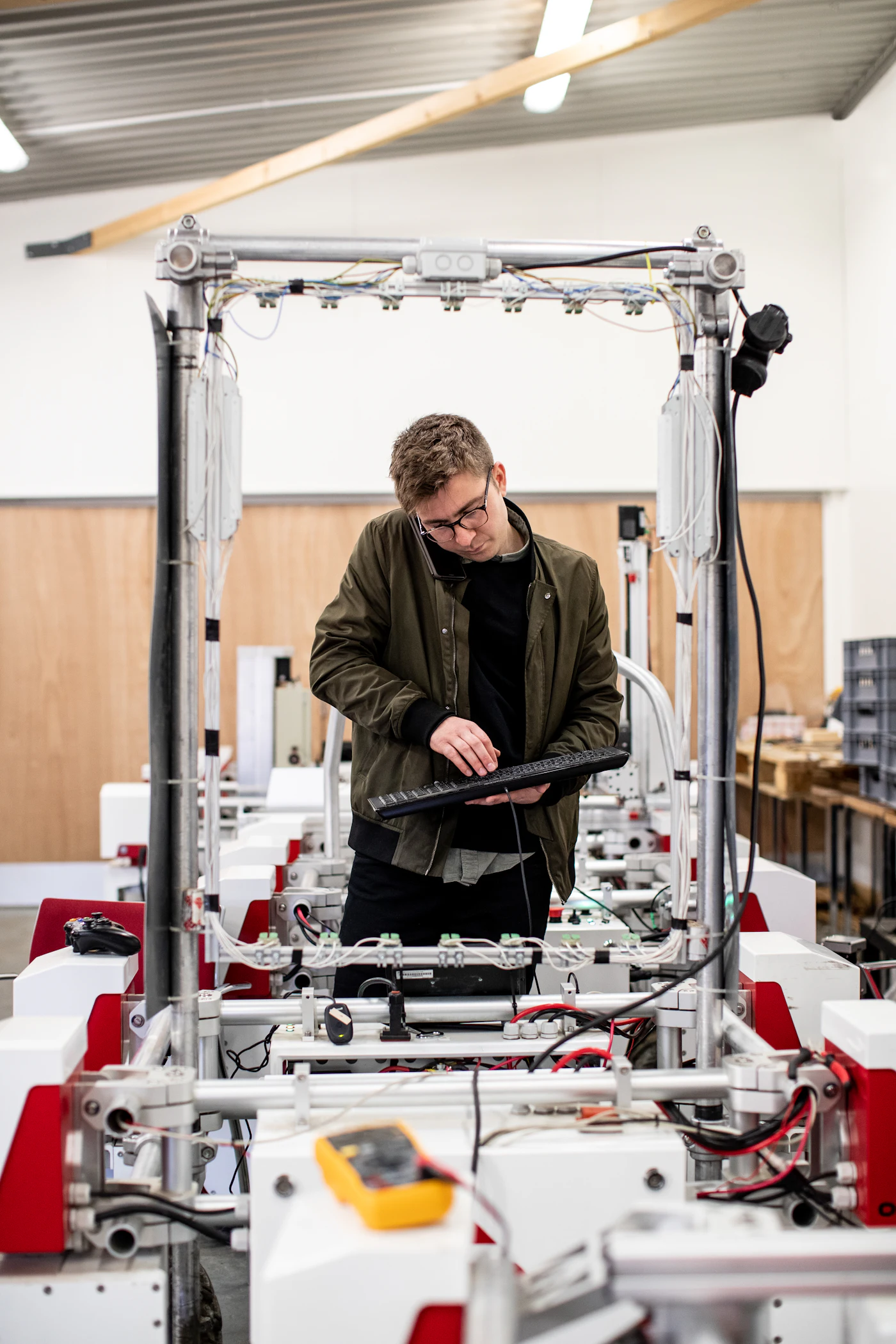
R&D
Full-scale prototyping and design validation.
Corporate assurance
Engineering and service directly from the manufacturer.
Local manufacturing
The BPT 2010 is designed and manufactured at our facility in Pendik, Istanbul. Your counterpart is the manufacturer itself.
Installation and training
The system is installed and commissioned at your site, and operators receive training in operation and routine maintenance.
Service and spare parts
Warranty service, technical support and locally supplied spare parts.
Pre-investment sample
During evaluation, a sample of your own part can be printed on the BPT 2010.
Sample production request
Send your 3D data (STL/STEP) and technical requirements. Material selection and process parameters are defined together, specific to your application. The result is verified by measurement and evaluation on your own part. It is recommended for confirming process capability in practice before an investment decision.